How to Buy Your First Home, Step by Step
How to Buy Your First Home, Step by Step
Buying your first home feels overwhelming until someone puts it in order. It's not one big decision. It's a series of smaller ones, each building on the last. Here's the full process, from the very beginning to the moment you get your keys.
Step 1: Get Your Finances in Order
Before you look at a single listing, you need to know your numbers. Pull your credit score, add up your monthly debts, and get a rough sense of what you can afford. Don't just rely on what you pay for rent right now as your budget. Your credit score determines what loan programs you qualify for and what interest rate you'll pay. Your monthly debts affect how much house you can borrow for.
The basic formula lenders use: your gross monthly income multiplied by 43%, minus your existing monthly debt payments, equals the maximum monthly housing payment you can qualify for. Run that math before you do anything else. If you don't want to run it yourself, a lender will do it for you. That's actually a great reason to call one early.
Step 2: Find the Right Agent
A lot of buyers think finding an agent is something you do after you know your budget. I'd flip that. A good buyer's agent who specializes in first-time buyers can help you understand the process, connect you with lenders they trust, and save you from expensive mistakes before you ever submit an offer. In almost all cases, the seller pays the buyer's agent fee, though this has more variability since the August 2024 NAR settlement. Ask upfront how compensation works.
Interview at least two agents. Ask how many first-time buyers they've worked with in the last 12 months, what neighborhoods they know best, and how they communicate. You want someone who explains things without making you feel rushed or talked down to.
Not in Charlotte? I'm a Realtor® matchmaker. I help first-time buyers across the country connect with the right agent in their local market. Someone who knows their area, specializes in first-time buyers, and will actually have their back through the process. If you're not sure where to start, reach out. Finding you the right person is part of what I do.
Step 3: Get Pre-Approved
Pre-approval is not the same as pre-qualification. Pre-qualification is a quick estimate based on information you provide. Pre-approval means a lender has actually reviewed your documents, pulled your credit, and confirmed what you can borrow. Sellers take pre-approved buyers seriously. Pre-qualified buyers, not so much. And truly, a pre-approval is to protect YOU. Things can and will go wrong, so do as much upfront work to minimize your risk.
Talk to 2-3 lenders and compare their Loan Estimates side by side. Ask each one what down payment assistance programs they're approved for. A good lender explains things patiently, offers solutions, and doesn't rush you off the phone. That last quality matters more than people realize when you're under contract and things get complicated.
Gather pay stubs (last 30 days), W-2s (last 2 years), bank statements (last 2 months), and tax returns (last two you filed)
Ask about down payment assistance programs before assuming what you need to bring
Get a Loan Estimate from each lender and compare line by line
Ask questions. Ask about the process, what you should know, and see how they respond. Choose a lender who is happy to explain things and doesn't try to rush you off the phone
Step 4: Shop With a Strategy
Know your non-negotiables before you start looking. Commute time, number of bedrooms, walkability, HOA vs. no HOA. Make a real list and stick to it. Don’t get distracted by shiny, pretty new homes UNLESS they match what’s important to you. Buyers who don't think about this waste weeks looking at homes that were never right for them.
Seeing a lot of houses doesn’t sound like a big deal, it sounds fun, right? It should be. But buyer fatigue is a real thing that I’ve seen time and time again when buyers don’t know what they’re looking for. It’s easy to get discouraged, think that you’ll never find the right home, and give up. Don’t be that person, this should be fun! Go in prepared with must haves, like to have, and then be flexible.
And be honest with yourself: this is your first home, not your forever home. On average, people stay in their homes 5-7 years. Focus on building equity and a lifestyle you love right now. You can upgrade later as your needs and lifestyle evolve.
Step 5: Make an Offer
Your agent will guide you through this. An offer includes your price, earnest money deposit, due diligence fees, seller concessions, any contingencies (inspection, financing, appraisal), and your proposed closing timeline. Your agent should run comparable sales before you submit anything so you know whether you're paying market value, overpaying, or getting a great deal.
Your agent can and should be recommending options for all negotiable parts of the contract. You don't have to do what they recommend, but why wouldn't you? If you've chosen the right Realtor®, you know they've got your back.
Step 6: Complete Inspections and Due Diligence
Once your offer is accepted, get a home inspection scheduled immediately. A general inspection costs $400-$800 depending on home size, foundation type, and location. If something concerning comes up, you may want additional specialized inspections for HVAC, structural issues, radon, or the sewer line.
Focus on the big things: foundation, roof, water intrusion, HVAC, electrical, plumbing. Minor cosmetic issues are normal. Major structural or system failures are negotiating points or reasons to walk away. Be realistic about what major costs will likely come up in the next five years. Think through whether this is the right house for you, or whether it will require more work than your savings or timeline can handle. A good inspector and agent will help you categorize things into fix now, fix soon, and fix later.
Order your appraisal early too. Lenders require one to confirm the home is worth what you're paying. Delays in ordering the appraisal are one of the most common reasons closings get pushed back.
Step 7: Finalize Your Loan
While inspections are happening, your lender is processing your loan through underwriting. An underwriter reviews everything and either approves it, approves it with conditions (meaning they need more documentation), or declines it.
Your job in this phase: respond to every lender request the same day. Every day of delay adds a day to your closing timeline. Don't open new credit accounts, make large purchases, switch jobs, or move large amounts of money between accounts during this period. Any of those can change your approval status.
Step 8: Close
Three business days before closing you'll receive your Closing Disclosure showing your final numbers. Compare it carefully to your original Loan Estimate. Ask your lender to walk you through the numbers so you understand everything. Make sure you know what is included in your escrow account and what's not. Typically, HOA fees are not included in your mortgage payment. Usually, your homeowners insurance is. Always verify.
On closing day you'll sign documents, wire your closing funds, and get your keys. The whole signing appointment typically takes about an hour. And then you own a home!
Real example: A couple came to me convinced they couldn't buy because they only had a few thousand dollars saved. They had already tried working with two other Realtors® before me. I found a down payment assistance program that covered their down payment, and we found a single-family home just 10 minutes from Uptown Charlotte that they loved. The math worked. They just needed the right strategy and the right Realtor®.
Common Mistakes to Avoid
Opening new credit accounts or making large purchases before closing (yes, even that couch that will be perfect for your new living room)
Skipping the pre-approval and going straight to house hunting
Forgetting to budget for closing costs (usually 2-5% of the purchase price)
Assuming you need 20% down
Choosing an agent based on whoever responded to Zillow first
FAQ
How long does the homebuying process take from start to finish?
Most first-time buyers close 2-5 months after starting the process. If your finances are already in good shape, it can move faster. If you're flexible on location, price, or condition, the process typically moves faster. If you're looking for something very specific, it may take longer. Be willing to jump on something if the right home comes up.
Work backwards from when you need to be in a home. For example, if you need to be moved in by June 1st, you'll need to close in May. Which means you'll need to be under contract in April. Which means you should start looking around January or February.
Do I need 20% down to buy a house?
NO! I get so frustrated that this is still a common misconception. FHA loans require 3.5% down. Conventional loans start at 3%. There are likely local programs that offer 100% financing with no down payment at all. Down payment assistance programs exist nationwide and can cover the full amount in many cases. The 20% rule is a myth that keeps buyers renting longer than necessary, delaying or even preventing you from building equity.
What's the difference between being pre-qualified and pre-approved?
Pre-qualification is an estimate. Pre-approval means a lender has actually reviewed your documents and confirmed what you can borrow. Sellers take pre-approved buyers seriously. Pre-qualified buyers, not so much.
Can I buy a home if I have student loans?
Absolutely. Lenders look at your monthly payment, not your total balance. Student loans affect your debt-to-income ratio, not your eligibility outright. Many first-time buyers carry student debt and still qualify.
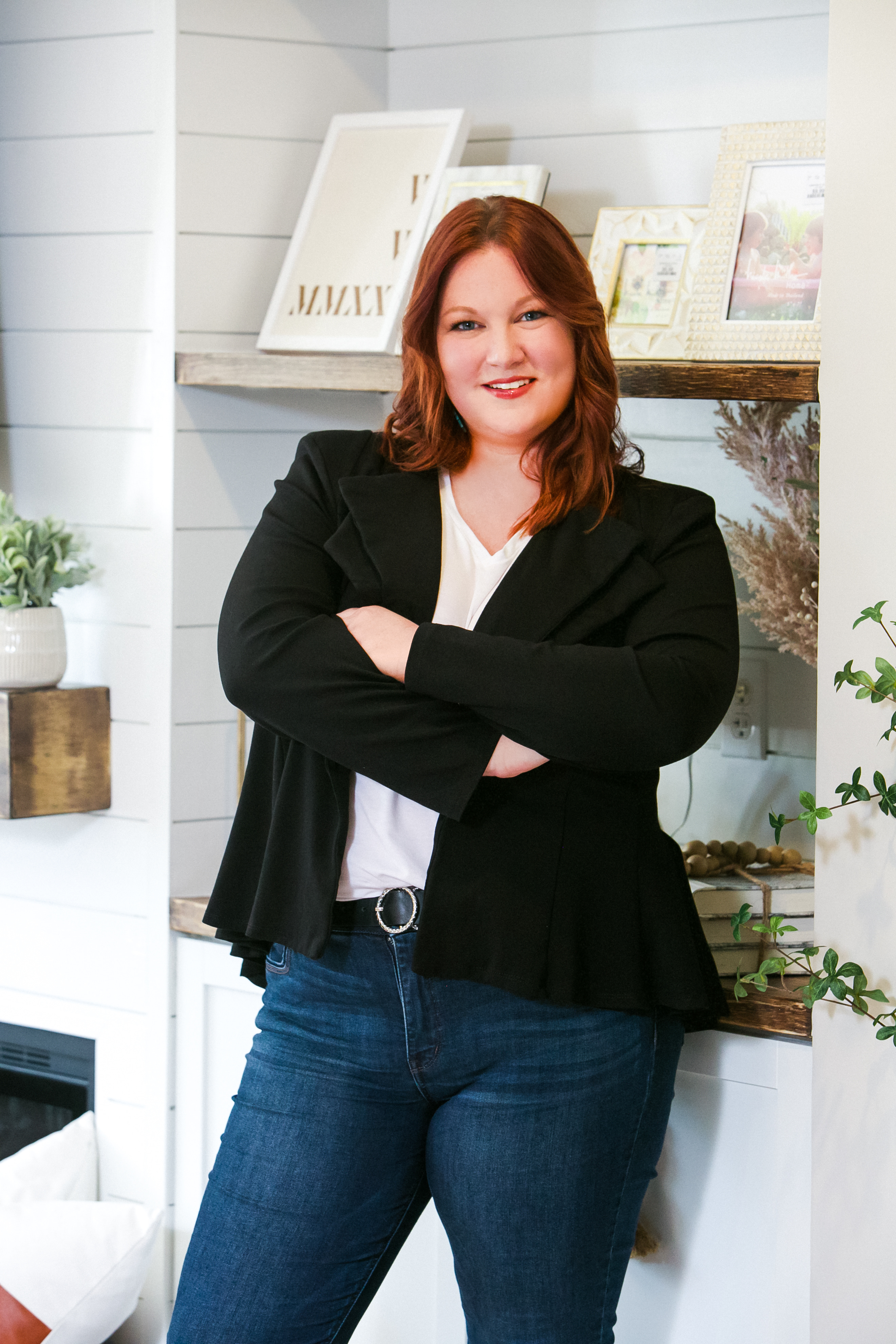
I'm Laura Shinkle, a Realtor in Charlotte, NC specializing in first-time homebuyers. I bought my first home at 22 on a single income. These steps are ones I wish I knew when I started.
Buying your first home in Charlotte or anywhere else and want to understand what the process looks like for your specific situation? I'm happy to walk you through it. 828.575.6067 or [email protected].
Laura Shinkle
Charlotte's First-Time Homebuyer Specialist | Realtor®
Coldwell Banker Realty | Licensed in NC & SC
CREN | PSA | CLHMS Certified
📲 828.575.6067 | 📧 [email protected]